Rideshare Safety Litigation is on the rise in Manhattan, with legal actions against ride-hailing companies due to passenger harm or injury. These cases explore complex liability and safety standards, focusing on proving a direct causal link between rideshare providers' actions (or lack thereof) and passenger harm. Similar to medical malpractice claims, experts analyze contracts, insurance policies, and company practices. Common causes of rideshare accidents in Manhattan include driver distraction, speeding, and failure to yield, leading to personal injury lawsuits and medical malpractice claims. Regulatory compliance, including vehicle inspections and driver background checks, is vital for minimizing risks and preventing negligence. Riders have legal rights and should take immediate action after incidents to strengthen their cases. Recent high-profile cases have driven calls for stricter regulations and enhanced safety measures in Manhattan's evolving rideshare safety landscape.
“Rideshare Safety Litigation: Navigating Legal Complexities in Manhattan
In the dynamic landscape of urban transportation, ridesharing has emerged as a game-changer. However, with increased popularity comes heightened scrutiny, particularly regarding passenger safety. This article explores the intricate world of rideshare litigation, focusing on Manhattan medical malpractice claims. We delve into the legal aspects, common accident causes, and the role of regulatory compliance in protecting riders. Additionally, we examine riders’ rights, showcase notable case studies, and highlight the significance of understanding these legal complexities in ensuring safer journeys.”
- Understanding Rideshare Safety Litigation: A Overview of Legal Aspects
- Manhattan Medical Malpractice Claims: A Specific Focus on Ridesharing
- Common Causes of Rideshare Accidents and Associated Liability
- The Role of Regulatory Compliance in Safeguarding Passengers
- Legal Rights and Protections for Riders in New York City
- Case Studies: Notable Rideshare Safety Litigation in Manhattan
Understanding Rideshare Safety Litigation: A Overview of Legal Aspects
Rideshare Safety Litigation involves legal actions taken against ride-hailing companies in response to incidents of harm or injury suffered by passengers, often raising complex issues related to liability and safety standards. These cases are gaining significant traction, especially in metropolises like Manhattan where medical malpractice claims are not uncommon. The primary focus is on understanding the responsibilities of rideshare providers and how they can be held accountable for any negligence that leads to accidents or injuries.
Legal experts scrutinize contracts, insurance policies, and company practices to determine if the rideshare provider maintained adequate safety measures. Key considerations include driver screening, vehicle maintenance, and emergency response protocols. Similar to Manhattan medical malpractice claims, the onus is on proving a direct causal link between the ride-sharing service’s actions (or lack thereof) and the resulting harm to the passenger.
Manhattan Medical Malpractice Claims: A Specific Focus on Ridesharing

In the bustling landscape of Manhattan, rideshare safety has become a pressing issue, particularly when considering the surge in medical malpractice claims tied to these services. As more residents and tourists rely on ridesharing for transportation, the potential risks associated with this convenient mode of travel have come into sharp focus. Medical malpractice lawsuits in Manhattan often center around accidents involving ridesharing vehicles, where negligence on the part of drivers or companies can lead to severe injuries or worse.
These claims cover a range of incidents, from misjudged turns causing collisions to speeding and failure to properly secure medical equipment for passengers requiring specialized care. The dense urban environment and heavy traffic congestion in Manhattan create unique challenges for rideshare operators, necessitating heightened vigilance and adherence to safety protocols. Understanding the specific dynamics of rideshare accidents is crucial for both regulatory bodies and legal professionals navigating Manhattan’s complex medical malpractice claim landscape.
Common Causes of Rideshare Accidents and Associated Liability

Rideshare accidents can occur due to a variety of factors, leading to complex liability issues. Some common causes include driver distraction, speeding, failure to yield, and improper lane changes—all of which are concerning in the context of Manhattan medical malpractice claims. These accidents often result from either the rideshare driver’s negligence or, in some cases, the platform’s failure to implement adequate safety measures.
Liability can be attributed to both the rideshare company and the individual driver. Passengers may file personal injury lawsuits if they suffer harm due to a driver’s carelessness or recklessness. Additionally, Manhattan medical malpractice claims might arise when passengers require medical attention as a direct consequence of an accident caused by a negligent rideshare operator. The complexity lies in proving fault, especially when determining whether the platform itself is liable for its operations and safety protocols.
The Role of Regulatory Compliance in Safeguarding Passengers

Regulatory compliance plays a pivotal role in safeguarding passengers using rideshare services, such as those involved in Manhattan medical malpractice claims. Rideshare companies must adhere to strict safety standards and regulations set forth by local authorities. These include vehicle inspections, driver background checks, and continuous monitoring of service quality. Compliance with these measures significantly reduces the risk of accidents and ensures a safer experience for passengers.
In the context of Manhattan medical malpractice claims, regulatory compliance is even more critical as it can help prevent instances where rideshare drivers may be negligently operating their vehicles or failing to render adequate assistance to passengers in need of emergency medical care. Regular oversight and adherence to safety protocols by both rideshare companies and drivers are essential components in maintaining a safe transportation ecosystem, ultimately protecting passenger welfare and reducing the likelihood of legal liabilities.
Legal Rights and Protections for Riders in New York City
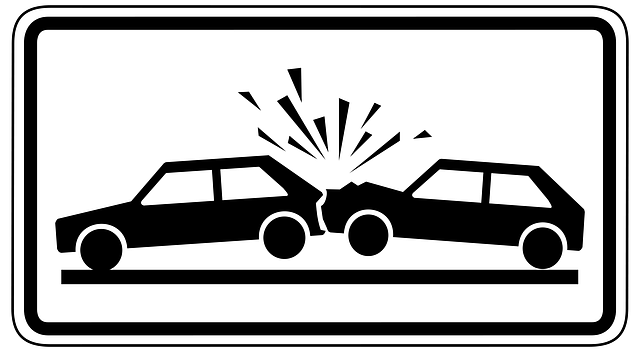
In New York City, riders have legal rights and protections when it comes to rideshare services. If a rider sustains injuries due to the negligence or misconduct of a driver, they may be entitled to compensation through personal injury claims. This includes accidents resulting from speeding, reckless driving, or failure to follow traffic rules—all issues that have led to an increase in manhattan medical malpractice claims against rideshare companies.
Riders should be aware of their rights and the steps to take after a crash. Promptly reporting the incident to the authorities and seeking immediate medical attention are crucial first steps. Documenting the occurrence by taking photos of the scene, gathering contact information from witnesses, and retaining all medical records can significantly aid in building a strong case for compensation.
Case Studies: Notable Rideshare Safety Litigation in Manhattan

In recent years, Manhattan has seen several high-profile rideshare safety litigation cases that highlight the complex interplay between passenger safety and legal accountability. One notable example involves a medical malpractice claim against a rideshare company after a serious accident left a passenger with severe injuries. The case centered around allegations of negligence in the selection and training of drivers, as well as the failure to implement robust safety protocols. This litigation not only brought attention to the need for stricter regulations but also underscored the financial consequences for companies found liable for such incidents.
Another significant case involved a lawsuit against multiple parties, including the rideshare company and the city’s transportation authority. The plaintiffs argued that inadequate infrastructure and regulatory oversight contributed to a dangerous environment for passengers. This case led to a thorough examination of Manhattan’s rideshare regulations and prompted discussions on enhancing safety measures, such as stricter driver background checks and improved training programs. These case studies exemplify the evolving legal landscape surrounding rideshare safety in Manhattan, where both victims and legal advocates are pushing for greater accountability and enhanced passenger protection.
Rideshare safety litigation in Manhattan has brought to light critical issues surrounding passenger protection, regulatory compliance, and legal rights. As highlighted through case studies of notable incidents, understanding the nuances of medical malpractice claims specific to ridesharing is paramount. By examining common causes of accidents, we can identify areas for improvement in driver training and vehicle safety standards. The ultimate goal is to ensure that riders in New York City are afforded the highest level of safety and protection, fostering a reliable and trustworthy rideshare environment.