
Trucking liability in The Bronx presents a complex legal landscape due to high commercial truck traffic in an urban setting, necessitating adherence to state and federal regulations. Establishing liability for personal injury or Manhattan medical malpractice claims resulting from trucking incidents requires understanding driver negligence, vehicle maintenance, safety protocols, and regulatory bodies like the FMCSA. In Manhattan's dense environment, the intersection of trucking liability and medical malpractice is critical due to frequent truck collisions with patients or healthcare facilities. These accidents can lead to severe consequences and complex investigations into driver behavior, vehicle maintenance, and protocol adherence. Understanding specialized trucking insurance policies is vital for securing fair compensation in cases involving Manhattan medical malpractice claims. High-profile incidents highlight the importance of driver training, safety protocols, and cargo securing practices to prevent catastrophic outcomes.
“In the bustling metropolis of The Bronx, navigating trucking liability is a intricate dance. This article explores the legal intricacies surrounding accidents involving commercial vehicles, particularly focusing on Manhattan medical malpractice claims where trucks intersect with patients’ lives. We delve into the complexities of insurance, compensation, and high-profile cases, offering insights into the challenges and consequences within this dynamic landscape. Understanding these aspects is crucial for both legal professionals and residents alike.”
- Understanding Trucking Liability in The Bronx: A Legal Perspective
- Manhattan Medical Malpractice Claims: When Trucks Meet Patients
- The Complexities of Trucking Insurance and Compensation
- Case Studies: Examining High-Profile Bronx Trucking Liability Cases
Understanding Trucking Liability in The Bronx: A Legal Perspective

Trucking liability in The Bronx, from a legal standpoint, is a complex web that involves understanding the unique dynamics of commercial trucking within an urban setting. The Bronx, as a bustling metropolis, sees a high volume of truck traffic, from local haulers to long-haul carriers, each operating under different regulatory frameworks. Navigating these regulations, especially in light of incidents involving accidents or property damage, requires a deep dive into state and federal laws that govern trucking operations.
In cases of personal injury or Manhattan medical malpractice claims resulting from trucking incidents, establishing liability often hinges on factors such as driver negligence, vehicle maintenance, and adherence to safety protocols. The legal landscape here underscores the importance of meticulous documentation, thorough investigations, and a keen understanding of regulations like those set by the Federal Motor Carrier Safety Administration (FMCSA). This is particularly critical in dense urban areas where truck operations must coexist with pedestrians, other vehicles, and vulnerable road users.
Manhattan Medical Malpractice Claims: When Trucks Meet Patients
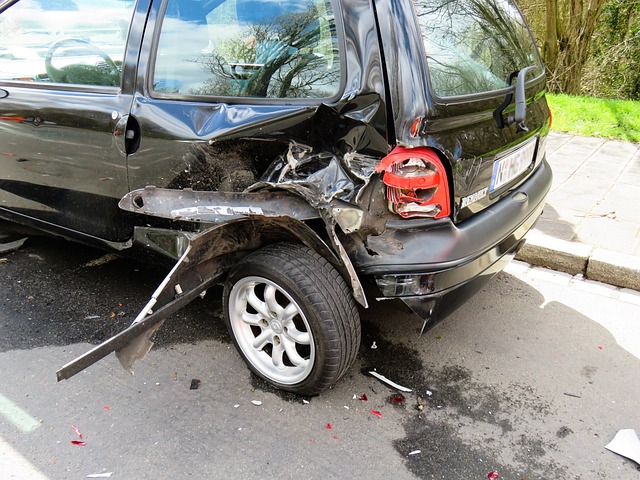
In the dynamic landscape of Manhattan, where bustling streets and towering skyscrapers define the urban rhythm, an often-overlooked intersection emerges between trucking liability and medical malpractice. When trucks, engaged in the relentless transport of goods, collide with patients or healthcare facilities, it sets off a chain of events that can lead to severe consequences, including personal injury and medical malpractice claims. Manhattan, as a bustling medical hub, sees its fair share of such incidents, where trucks, whether through driver negligence, equipment failure, or inadequate training, cause harm not just to goods but also to vulnerable patients relying on timely healthcare access.
These accidents can have profound implications, particularly in the context of medical malpractice claims. Patients who suffer injuries due to truck-related incidents while en route to or from medical facilities may be entitled to compensation for their pain and suffering, lost wages, and medical expenses. The complexity arises when determining liability, which often involves intricate investigations into driver behavior, vehicle maintenance records, and adherence to safety protocols. Manhattan’s dense traffic and high volume of commercial trucks necessitate a heightened focus on trucking regulations and safety measures to protect patients and healthcare providers from preventable accidents that could lead to serious medical malpractice claims.
The Complexities of Trucking Insurance and Compensation
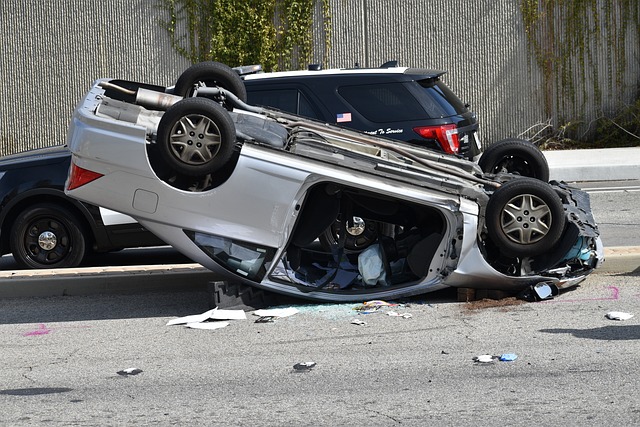
Trucking liability in The Bronx, like in many urban centers, presents unique challenges due to dense traffic and diverse road conditions. Navigating these complexities requires a deep understanding of insurance policies designed for commercial vehicles. Unlike personal vehicle insurance, trucking insurance is tailored to cover significant financial risks associated with cargo damage, driver errors, and third-party injuries. Policies often include liability coverage for accidents involving property damage or personal injury, along with specific provisions for hauling hazardous materials.
When a truck is involved in an accident leading to medical malpractice claims, such as those filed in Manhattan for negligence in treatment or care, the insurance process becomes intricate. Compensation for victims may involve not only direct medical costs but also pain and suffering, lost wages, and other damages. Trucker liability insurance policies typically have specific provisions for handling such claims, including mechanisms for investigation, settlement negotiations, and legal representation. Understanding these policies is crucial for both truck operators and individuals affected by trucking accidents to ensure fair and adequate compensation in the event of an incident.
Case Studies: Examining High-Profile Bronx Trucking Liability Cases

In the dynamic landscape of trucking liability, The Bronx has seen its share of high-profile cases that shed light on the intricate web of responsibilities and consequences. Examining these Manhattan medical malpractice claims involving trucks reveals critical patterns and lessons. For instance, a 2018 incident involved a truck driver who failed to yield at a busy intersection, leading to a collision with a pedestrian. This case highlighted the importance of driver training and adherence to safety protocols, as well as the need for robust oversight by trucking companies.
Another notable case from 2020 centered around a cargo load that shifted during transit, causing the truck to veer off the road and crash. This scenario underscored the significance of proper cargo securing practices and the potential for catastrophic outcomes when these protocols are overlooked. These Bronx cases not only result in significant financial settlements but also serve as cautionary tales, emphasizing the multifaceted nature of trucking liability and the need for constant vigilance to ensure safety on the roads.
In conclusion, navigating trucking liability in The Bronx requires a deep understanding of both legal frameworks and the unique challenges that arise from commercial vehicle operations. From Manhattan medical malpractice claims involving truck accidents to the complexities of insurance coverage, this article has illuminated critical aspects of this intricate issue. Examining real-world case studies highlights the importance of stringent safety measures and informed legal strategies in mitigating risks. As the Bronx’s bustling transportation network continues to evolve, so too must our approaches to ensuring accountability and compensation for victims, fostering a safer environment for all road users.